




















Business Card Material
With so many types of Business Card material to choose from it is very difficult to know what is the right product for you. Plain, coloured, textured, foiled, plastic, wooden (yes, wooden!), perfumed etc. . . the choices can be quite bewildering.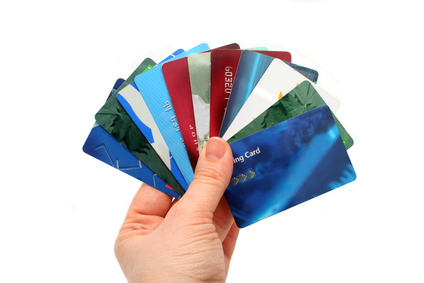
Let’s outline a few of the more common types:
Plain white/coloured card is exactly what it says on the tin. Even so, there are very many different qualities and weights. A cheap card will feel slightly rough to the touch and is not suitable for business cards. We tend to use this type of board (pulp board), when requested, to print stock take tickets, point-of-sale items etc. or any item that needs to be printed as cost-effectively as possible, and generally used in-house for various projects.
A calendered card is the next step up and has gone through compression techniques to end up with a smooth surface. This type of card is normally around the 200gsm (the weight of one square metre in grammes) mark. Many of the companies offering ‘free business cards’ or ‘budget cards’ will use this stock. To confuse the situation even more, some of these companies do not publish their card weights in gsm, but lb’s (pounds) per square whatever! Be careful
A Coated card has been treated at the manufacturing stage and has a shiny surface which can be gloss or satin, which is less reflective. More often than not this will be coated on one side only. Again, this type of board has its uses, as it is fairly inexpensive. This is often used by people who need to bulk-buy their cards, e.g. taxi drivers, hairdressers, tradesmen etc. Quality is often sadly lacking though.
Our preference is for quality art board, which is fully coated both sides and usually thicker than the cheaper alternatives.
Textured Business Cards
Textured card used to be very fashionable some years back. One of the most common (Conqueror laid) is still used widely today. Because of the texturing (narrow ridges indented in the card) the card feels thicker than it actually is, usually around 300gsm. It was/is often used for a more traditional look, perfect for people in the legal profession, architects etc. One downside (my personal view only) is that company logos and text do not look as pin sharp as they would on a ‘smooth’ board.
Included in the textured section you would also find some unusual business card material such as the parchment types etc. Great for invitations etc.
Laminated Business Cards
Laminated card is basically a plain uncoated card that has been printed and then ‘sealed’ one, or more usually both sides in a very, very thin plastic laminate. This serves a couple of purposes: it protects the card (very important if there is a lot of ink coverage as it also prevents smudging of the ink) and also gives a much more professional appearance. Even when using air-drying inks, if there is a lot of ink coverage (as in using a solid colour for the reverse of the card for instance), then it can actually take a few days for the ink to completely dry. If you’ve just recently had some cards produced try rubbing the ink with your thumb. You may be surprised at how easy it is to smudge. This is quite normal. Some colours, blue for instance, can take longer to dry than others! Sealing, or laminating the card will overcome this problem.
There are 2 types of laminated business cards, glossy and matt.
Glossy ones are normally used as hi-vis advertising e.g. taxi companies, tradesmen etc. whereas the matt laminated are more suitable for corporate use and can be quite elegant.
These are not to be confused with some of the thick ‘plasticy’ type cards often seen on the market, which have not been laminated, but ‘encapsulated’ This is done by printing (usually using a cheaper digital process) on very thin card and then inserted into a pouch of plastic. Ideal for membership cards etc. but not much else in my view.
A laminated card has that extra quality, look and feel but does cost more due to the processes involved in the production.
Specialist Business Cards
Summing up
I would suggest you tailor the choice of business card to your type/style of business. If you just need a good quality businesslike card, favoured by many of our corporate clients, then choose a 335gsm or 350gsm Ivory board.
If your card needs to look impressive and suggest to your contacts that you take your company image very seriously, then a matt laminated card is the perfect solution.
If your company is promoting a particular product, a limousine service, a landscape gardener or anything where a full colour photograph would be used then a good quality art board would definately suit your needs.
Leave a Reply